
Cherryville, North Carolina
1st Choice Service
✓ Licensed
septic pumpingseptic tank cleaningseptic installationaerobic septic system
Grease traps require regular cleaning to stay compliant and prevent backups. Find licensed grease trap service providers for restaurants, commercial kitchens, and food service facilities.
active listings for this service
markets with at least one provider
providers with 24/7 availability signals


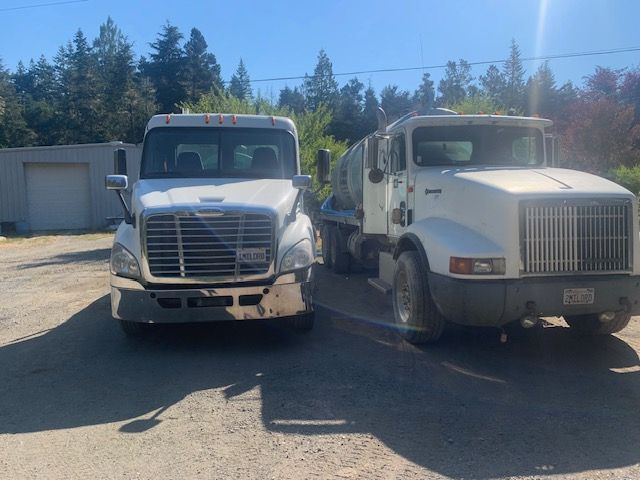

A grease trap (also called a grease interceptor) is a plumbing device that captures fats, oils, and grease (FOG) from commercial kitchen wastewater before it enters the sewer system. Without regular cleaning, accumulated grease overflows into sewer lines, causing blockages and contributing to sewer overflows. Most health departments require documented cleaning records.
The standard guideline is to clean when the trap is 25% full of grease and solids, sometimes called the '25% rule.' For most commercial kitchens, this means monthly or quarterly cleaning. High-volume restaurants may need cleaning every two to four weeks. Local health code requirements may specify minimum frequencies.
Cleaning costs depend on trap size and disposal volume. Small under-sink traps (typically 25–50 gallons) cost $75–$200 per service. Large in-ground interceptors (500–2,000 gallons) cost $200–$1,000+. Full replacement of the waste is required, as partial pumping (leaving grease in the trap) violates most municipal codes.
Grease buildup in sewer lines can cause blockages that require expensive emergency service and may damage municipal infrastructure. Many jurisdictions impose fines for non-compliant grease management. In restaurant operations, a blocked line means a shutdown until resolved. Regular cleaning is far less costly than emergency response and compliance penalties.
Yes. Grease trap waste is classified as a regulated waste in most jurisdictions, requiring disposal at an approved facility. Service providers must be licensed for grease waste transport and disposal. Improper disposal (dumping into storm drains or unlicensed disposal sites) carries significant legal penalties.
Small under-sink traps can be cleaned by facility staff in some jurisdictions, but the waste still requires proper disposal at an approved facility. Large in-ground interceptors must be serviced by a licensed vacuum truck operator. Check your local health code, as many municipalities require documented service by a licensed vendor regardless of trap size.